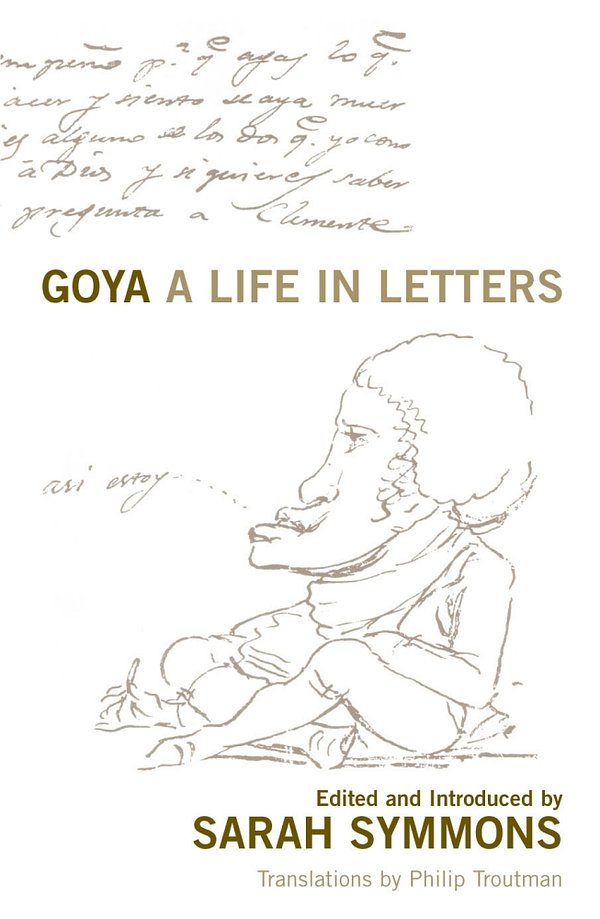
| ISBN: | 9780905368153 |
| Publisher: | Oresko Books |
| Published: | 1 October, 1977 |
| Format: | Paperback |
| Editions: |
5 other editions
of this product
|
- Italian Baroque Sculpture (World of Art)
- Baroque & Rococo
- The Body in Contemporary Art
- Fauvism (World of Art)
- The Arts in Spain (World of Art)
- Matisse (World of Art)
- Minoan and Mycenaean Art
- Minoan and Mycenaean Art
- The Thames and Hudson Dictionary of Fashion and Fashion Designers (World of Art)
- Egyptian Art (World of Art)
- Friedrich
- David Hockney (World of Art)
- Goya
- The Photograph as Contemporary Art (World of Art)
- Constable (World of Art)
- Camille Pissarro
- Photomontage (World of Art)
- Sienese Painting: The Art of a City-Republic (World of Art)
- Hogarth (Art and Ideas)
- Pop Art (Art & Ideas)
- A Concise History of Modern Painting
- A Concise History of Modern Painting (World of Art)
- The Art of Mesoamerica: From Olmec to Aztec (World of Art)
- Michelangelo A&I (Art and Ideas)
- Costume and Fashion (Fifth Edition) (World of Art)



Goya was born in 1746. By the time he was 47 he was the highest paid and most famous artist in Spain, had gone profoundly deaf and six of his seven children had died. He worked for three Spanish monarchs, the duke of Wellington, the Spanish aristocracy and intelligentsia, and for Napoleon's brother. One Spanish prince called him 'the painting monkey', contemporary critics called him 'the philosopher painter'. His friends called him Paco, and 'Our Dear Goya'. A local newspaper referred to one of his portraits as bringing honour to the whole Spanish nation. He learned to lip-read and speak in sign language; he painted with his fingers, a palette knife and with the pointed end of his paintbrush; he invented engraving techniques which are still in use by modern artists; his 'Nude Maja', 'The Third of May' and 'Saturn devouring his son' are ranked among the most powerful and mysterious paintings in the history of European art. From an early age Goya was anxious to preserve a record of his life, but few of his writings have survived and his most personal records appear in his letters. He corresponded regularly with the aristocracy and the monarchy, as well as with friends. Goya's surviving letters reveal a highly emotional man, prepared to state his feelings as passionately to the authorities of a Cathedral as to a close friend. His letters make few concessions and are literary works in their own right. Uniquely individual, they signal a new attitude on the part of a fine artist towards his profession, his social position and his sources of inspiration. These writings look forward to the great artistic testaments of the nineteenth and twentieth centuries: Delacroix's Diary, the letters of Van Gogh and Dali's Diary of a Genius. From this new collection of letters, many translated into English for the first time, Goya emerges as witty, passionate and unexpectedly vulnerable.