| ISBN: | 9780563405856 |
| Publisher: | BBC Worldwide |
| Published: | 5 May, 1998 |
| Format: | Paperback |
| Language: | English |
| Links |
- The Ancestor Cell
- The Space Age
- Parallel 59
- The Janus Conjunction
- Beltempest
- The Eight Doctors
- Vampire Science
- The Bodysnatchers
- Genocide
- War of the Daleks
- Alien Bodies
- Legacy of the Daleks
- Dreamstone Moon
- Seeing I
- Placebo Effect
- Vanderdeken's Children
- The Scarlet Empress
- The Taking of Planet 5
- The Fall of Yquatine
- The Turing Test
- Father Time
- EarthWorld
- Eater of Wasps
- The Slow Empire
- Dark Progeny





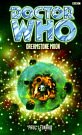
In Dreamstone Moon, Sam and the Doctor, via different routes because they are still apart, find themselves on a satellite called the Dreamstone Moon. It has come by this name because it is where dreamstone, a substance that allows the dreams of sleepers to be recorded and then played back (or something), is mined. But an artist named Anton finds that the dreamstones only give him nightmares and so determines to go to the moon to find out why. Readers are unlikely to be impressed with any of the characters here. It is easy to mistakenly believe that the soldier Cleomides is an android since it is the only way to explain her wooden, stilted dialogue and strange actions. The only well-developed character besides Sam is an alien Krakenite named Aloisse (a totally inhuman, cephalopodic sort of creature). An excellent subplot is the idea that some of the humans cannot see aliens as rational and dependable beings in their own right. This leads to Aloisse being systematically tortured, blinded, and seriously wounded, since the humans simply can't think of her as a sentient being. This, of course, echoes man's inhumanity to man--especially where race and color are concerned--and is nicely understated here. The Doctor is probably the only hope they have, but because he is an alien, those in charge cannot see how he can help them. Sam spends her time moving from one disaster area to another and encountering a series of hostile environments: it's amazing that she survives